In recent years, the conversation around reef-safe sunscreens has gained significant traction, and for good reason. The main question many people are asking is: should you care about using reef-safe sunscreens? The answer is a resounding yes. Reef-safe sunscreens protect not only your skin but also the delicate marine ecosystems vital for ocean health. With a clearer understanding of what ingredients are harmful to coral reefs, consumers can make better choices that support both personal health and environmental sustainability.

Understanding Reef-Safe Sunscreens
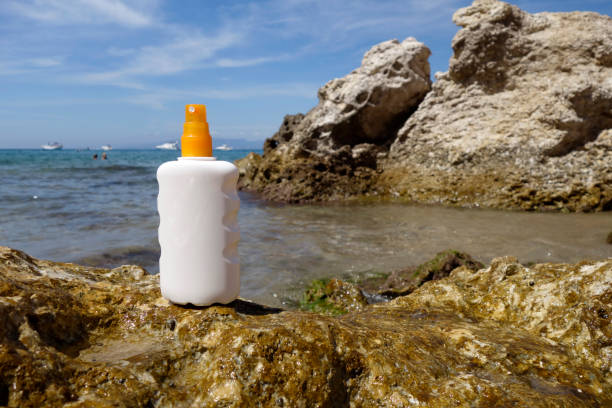
Reef-safe sunscreens are formulated without certain harmful ingredients known to damage coral reefs and marine life. The most infamous culprits are oxybenzone and octinoxate, both commonly found in traditional sunscreens. These chemical ingredients can lead to coral bleaching, which is detrimental to the health of ocean ecosystems. As a response to growing environmental concerns, many brands have started developing mineral-based sunscreens. These often use zinc oxide or titanium dioxide as their active ingredients, which are less harmful to marine environments. By opting for reef-safe products, you’re taking a stand for ocean conservation.
Why Choose Reef-Safe Sunscreens?
Choosing reef-safe sunscreens goes beyond personal preference; it’s an ethical choice with widespread environmental implications. The health of coral reefs is critical for marine biodiversity, acting as habitats and nurseries for numerous sea species. If these reefs continue to diminish due to harmful chemicals, the entire ecosystem suffers, ultimately affecting fish populations and local economies depending on fishing and tourism. Moreover, with scientists estimating that over 50% of the world’s coral reefs are at risk of disappearing, the urgency to act becomes even more pressing. Supporting reef-safe formulations is part of a larger commitment to preserving our oceans for future generations.
Key Ingredients to Avoid
If you want to ensure your sunscreen is reef-safe, be on the lookout for the following ingredients:
- Oxybenzone
- Octinoxate
- Octocrylene
- Homosalate
- Formaldehyde
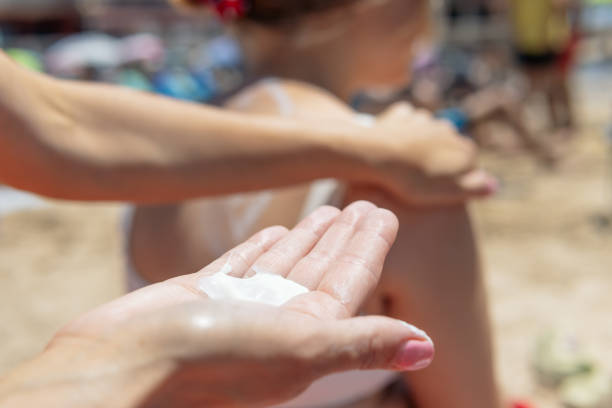
These ingredients can harm coral reefs and contribute to their degradation. By carefully reading labels and choosing sunscreens free from these harmful chemicals, you’re making an informed choice that benefits both you and the environment. In many cases, companies are becoming transparent about their formulations, making it easier for consumers to identify truly reef-safe products. Additionally, many brands have started to offer water-resistant formulations that ensure protection for activities like swimming or snorkeling.
How to Identify Reef-Safe Products
Identifying reef-safe sunscreen requires looking at both the ingredient list and product labeling. When shopping, look for certifications indicating the product has been tested for its impact on marine ecosystems. Products labeled as “reef-safe,” “ocean-friendly,” or similar terms usually indicate compliance with safety standards that protect coral reefs. However, it is important to note that not all products bearing these labels are verified. Check for third-party certifications or recommendations from marine organizations that focus specifically on ocean health. Also, some retailers have dedicated sections for eco-friendly or reef-safe products, making your search a bit easier.
Conclusion
In summary, caring about reef-safe sunscreens is essential not just for personal health but also for the well-being of our ocean ecosystems. By choosing sunscreens that are free from harmful chemicals, we contribute to the preservation of coral reefs and marine life. As consumers, we have the power to influence market trends towards sustainability. The more we demand reef-safe options, the greater the chance that these products will become the standard rather than the exception. So, the next time you gear up for a day at the beach, consider your sunscreen choice — it’s not just about protecting your skin, it’s about safeguarding our oceans.
FAQs
Reef-safe sunscreens utilize mineral ingredients like zinc oxide and titanium dioxide, which do not harm coral reefs, while regular sunscreens often contain chemicals like oxybenzone that can lead to coral bleaching.
2. Are all mineral sunscreens considered reef-safe?
No, not all mineral sunscreens are automatically reef-safe. Always check the full ingredient list to ensure it does not contain harmful additives.
3. How do I know if a sunscreen is truly reef-safe?
Look for certifications or labels that indicate the product has been tested for marine safety. Verifying claims through third-party organizations can provide additional assurance.
4. Can I use reef-safe sunscreen while swimming?
Yes, many reef-safe sunscreens are formulated to be water-resistant, providing protection during water activities, but it’s important to read the specific product instructions.
5. What impact do non-reef-safe sunscreens have on the environment?
Non-reef-safe sunscreens can contribute to coral bleaching, damage marine ecosystems, and threaten biodiversity, making it crucial to choose eco-friendly alternatives.