Keeping your makeup brushes clean is essential for maintaining clear skin, ensuring even makeup application, and prolonging the lifespan of the brushes. Over time, makeup brushes collect product residue, oils, and bacteria, which can lead to skin irritation or breakouts. This article outlines a comprehensive guide on how to clean your makeup brushes properly, helping you maintain a healthy beauty routine.
Why Cleaning Your Makeup Brushes is Important
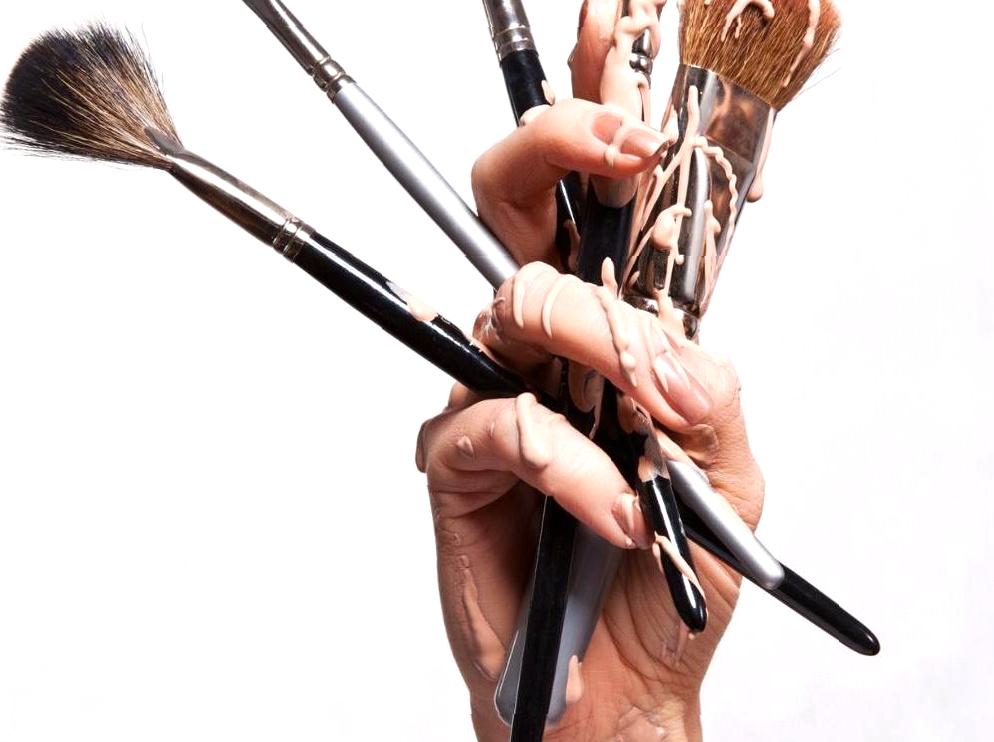
Regularly cleaning your makeup brushes is crucial for several reasons. First and foremost, it prevents the buildup of bacteria that can cause skin problems, including acne and irritation. Dirty brushes can also lead to uneven makeup application, as they may not pick up and distribute products correctly. Additionally, maintaining clean brushes will extend their lifespan, as regular cleaning removes debris that can wear down the bristles over time. Ultimately, investing a little time in cleaning can yield better makeup results and healthier skin.
What You Will Need
Before you start cleaning your brushes, gather all the necessary materials. Here’s a quick list of items you’ll need:
- Gentle soap (baby shampoo or dish soap)
- Olive oil (optional, for deep cleaning)
- Warm water
- A clean towel
- A small bowl for mixing
- Brush cleaning mat (optional)
Having the right tools on hand will make the cleaning process smoother and more effective. Remember to choose a gentle soap that won’t irritate the bristles or leave a residue. Also, consider using olive oil, especially for brushes that cater to cream products, as it helps dissolve stubborn residues more effectively.
Step-by-Step Cleaning Process
Now that you’re prepared, follow these steps to ensure a thorough cleaning of your brushes:
-
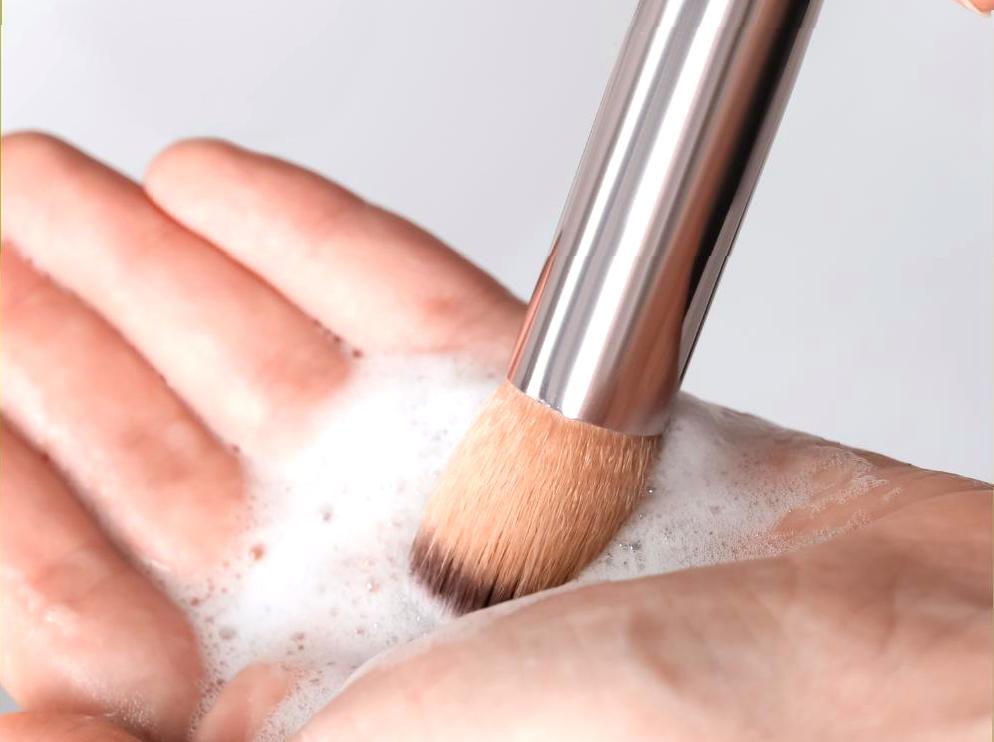
- Rinse: Start by rinsing the bristles under lukewarm water. Make sure the water runs downward, not toward the ferrule (the metal part), to avoid loosening the glue that holds the bristles.
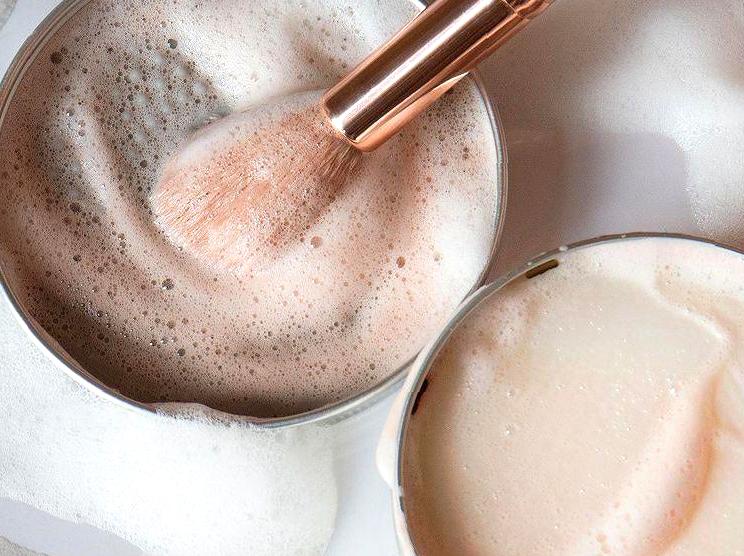
- Wash: In a bowl, mix a few drops of gentle soap with warm water. Dip your brush in the solution, swirling it gently to release the buildup.
- Rinse Again: Rinse the brush under lukewarm water again until all soap is removed. Make sure it runs clear to ensure all product is washed away.
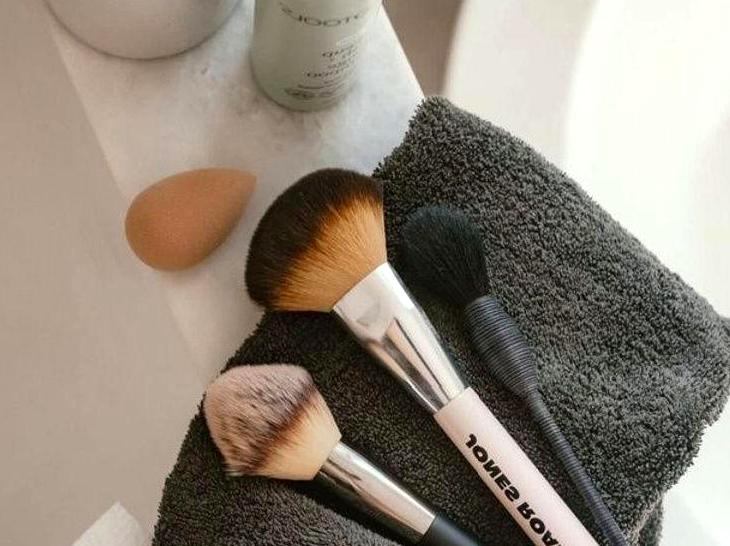
- Shape and Dry: After rinsing, gently squeeze the bristles to remove excess water and reshape them. Lay the brushes flat on a clean towel to dry naturally. Avoid standing brushes upright while drying, as water can seep into the ferrule and damage the glue.
Following this method will help preserve the quality of your brushes and enhance their performance. Aim to clean your brushes at least once a week for optimal hygiene and makeup application.
Additional Tips for Maintaining Your Brushes
In addition to regular cleaning, there are several tips to keep your brushes in top condition:
- Store your brushes upright in a holder to prevent bristles from getting squished.
- Avoid sharing brushes with others to minimize bacterial transfer.
- Consider using a brush sanitizer for quick cleaning in between washes.
- Replace brushes that become worn out or lose their shape.
- Be mindful of the type of products you use; certain formulas can cause more buildup on brushes.
Implementing these tips can enhance your brush care routines and further ensure the longevity and efficiency of your makeup tools.
Conclusion
In conclusion, cleaning your makeup brushes is a simple yet vital aspect of your beauty routine that can significantly influence your skin health and makeup outcome. By following the step-by-step process outlined above and incorporating additional care tips, you can maintain clean brushes. This not only ensures that you apply makeup flawlessly but also keeps your skin clear from blemishes caused by accumulated dirt and bacteria. Make it a habit to clean your brushes regularly, and you will reap the rewards in both beauty and health.
FAQs
It’s advisable to clean your foundation brushes at least once a week and your eye brushes every 2-3 uses to prevent bacteria buildup.
2. Can I use regular soap to clean my brushes?
While regular soap can be used, it’s recommended to use a gentle soap specifically designed for cleaning makeup brushes to avoid damaging the bristles.
3. What if my brushes still look dirty after washing?
If your brushes appear stained or dirty after washing, consider using a combination of olive oil and soap for deep cleaning. Let the bristles soak in the solution before rinsing thoroughly.
4. Is it safe to clean my brushes with alcohol?
While rubbing alcohol can disinfect brushes, it may also dry out the bristles. It is better used sparingly for spot cleaning rather than as a primary cleansing agent.
5. How should I dry my brushes after cleaning?
After cleaning, reshape the bristles and lay the brushes flat on a towel to dry. Avoid drying them upright to prevent water from leaching into the ferrule.