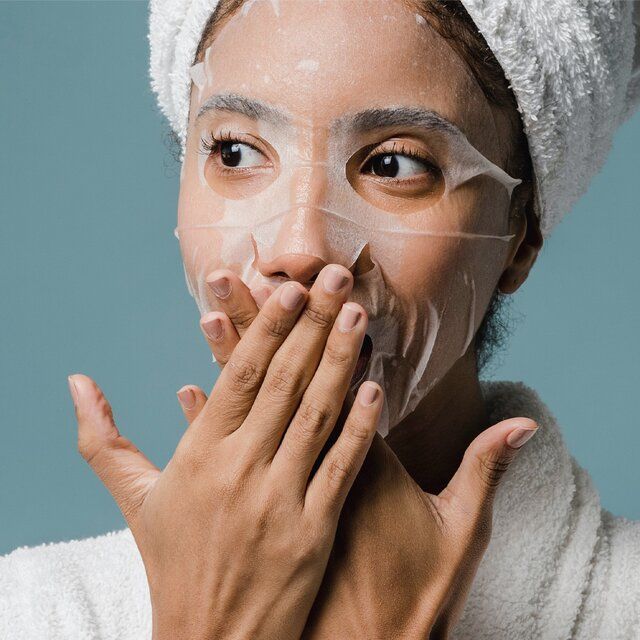
Navigating the vast world of skincare can be overwhelming, especially with the proliferation of advice—from social media influencers to beauty blogs. Unfortunately, some of this information can be misleading or downright incorrect. This article will debunk ten common skincare myths, helping you make more informed decisions about your skincare routine. Understanding what is true and what is merely a misconception is crucial for maintaining healthy skin. Each myth will be explored with explanations, allowing readers to grasp why these beliefs have persisted. With this knowledge, you can create a skincare routine that genuinely works for you.
Myth 1: You Don’t Need Sunscreen on Cloudy Days
A common misconception is that sunscreen is only necessary on sunny days. In reality, up to 80% of the sun’s UV rays can penetrate clouds. This means that even on overcast days, your skin is still at risk of UV damage. Not using sunscreen regularly can lead to premature aging and increased risk of skin cancer. It’s critical to wear broad-spectrum sunscreen daily, regardless of the weather outside. By making this a non-negotiable part of your routine, you can protect your skin more effectively.
Myth 2: Oily Skin Doesn’t Need Moisturizer
Many people with oily skin believe that moisturizing will exacerbate their condition. However, all skin types require hydration to function optimally. Failing to moisturize can actually lead your skin to produce even more oil as it tries to compensate for dryness. Using a suitable, lightweight moisturizer can help balance oil production, leading to a more radiant complexion. This does not mean using heavy creams; instead, look for oil-free or gel-based products. These types of moisturizers provide the hydration your skin needs without adding excess oil.

Myth 3: Natural Ingredients Are Always Better
While natural ingredients can be beneficial, they’re not always superior to synthetic ones. Some natural components can cause irritation or allergies in certain individuals. For example, essential oils, although fragrant, can be quite potent and lead to adverse reactions. Conversely, synthetic ingredients undergo rigorous testing for safety and efficacy. This evaluation process can often reveal more about the effectiveness of a product than whether it is “”natural.”” It’s essential to evaluate products on a case-by-case basis rather than relying solely on the label.
Myth 4: You Should Exfoliate Daily
Exfoliation is vital for removing dead skin cells and promoting cell turnover, which is key to healthy skin. However, doing it too frequently can damage the skin’s barrier and lead to irritation. Most experts recommend exfoliating 1-3 times a week, depending on your skin type and the type of exfoliant used. Over-exfoliating can lead to redness, sensitivity, and even breakouts. It’s important to listen to your skin and adjust your routine accordingly. A gentle approach is often more beneficial than aggressive treatments.

Myth 5: Pore Size Can Be Permanently Reduced
Many products claim to minimize pore size permanently, but this is misleading. Pore size is largely determined by genetics and it is essential to recognize this fact. While you can temporarily make pores appear smaller through cleaning and exfoliation, they cannot be permanently altered. The most effective way to address large pores is by maintaining a regular skincare routine that promotes skin health. Below is a list of methods to manage the appearance of pores:
- Use a clay mask to draw out impurities.
- Cleanse regularly with an appropriate facial cleanser.
- Incorporate niacinamide into your routine to help improve skin texture.
Myth 6: Wrinkles Only Happen When You’re Older
Although aging is a significant factor in wrinkle formation, environmental factors can contribute to premature aging. Sun exposure, pollution, and smoking are key players in this process. These elements can break down collagen and elastin, making skin more prone to wrinkles. It is therefore crucial to protect your skin from the sun, even at a young age. Implementing good habits can significantly delay the appearance of wrinkles. These good habits include using sunscreen, moisturizing, and avoiding smoking.
Myth 7: You Must Change Products Frequently for Best Results
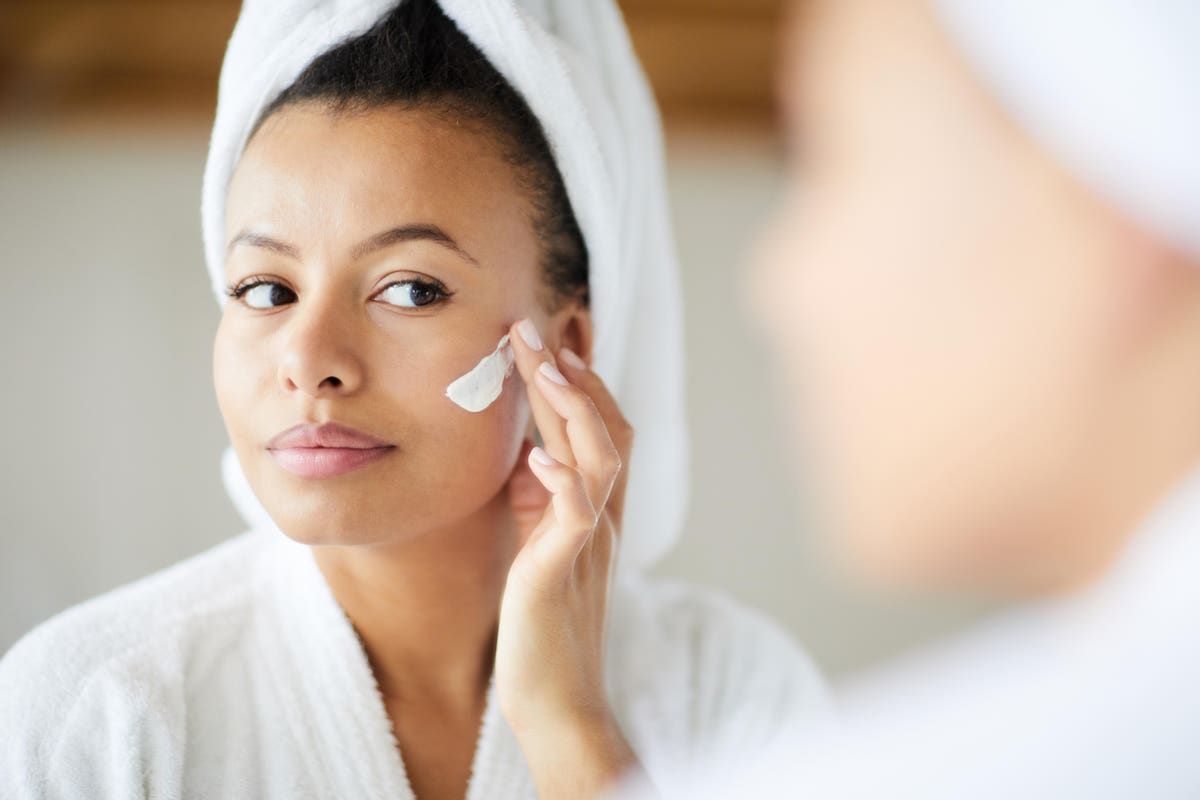
The belief that you need to switch skincare products often to see results is false. Many skincare ingredients take time to show benefits, sometimes several weeks or even months. Patience is vital when it comes to skincare because transforming the condition of your skin requires consistent use. Stick to a consistent routine with products that work for you. Below is a table outlining how long some common skincare ingredients might take to show results:
| Ingredient | Typical Timeframe to See Results |
|---|---|
| Retinol | 4-12 weeks |
| Vitamin C | 2-6 weeks |
| Hyaluronic Acid | 2-4 weeks |
| Niacinamide | 4-8 weeks |
Myth 8: Drinking Water Prevents Dry Skin
While staying hydrated is essential for overall health, it doesn’t directly equate to well-hydrated skin. Skin hydration is largely influenced by the topical application of moisturizers and hydrating products. Simply increasing your water intake won’t effectively address dry skin on its own. To truly combat dryness, look for products that contain ingredients like glycerin and ceramides. These ingredients help lock moisture into the skin and strengthen its natural barrier. Therefore, focus on applying appropriate skincare rather than relying solely on hydration from water.
Myth 9: Makeup Causes Acne
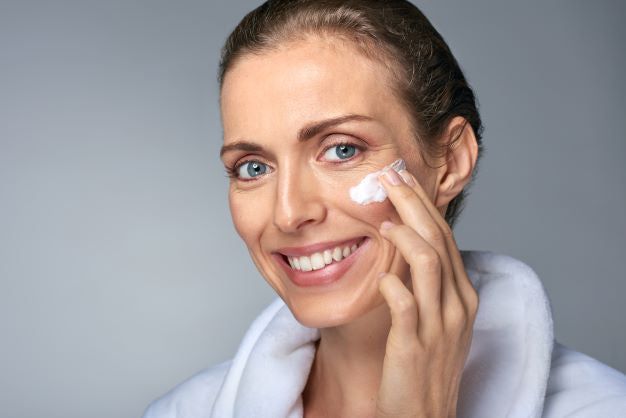
While it’s true that certain types of makeup can contribute to breakouts, not all makeup is harmful for acne-prone skin. The right types of makeup can actually benefit your skin health. It’s essential to choose non-comedogenic products, which won’t clog pores. Moreover, make sure to clean your face thoroughly each night to prevent buildup. Regular cleansing will help you maintain clear skin even when using makeup. Overall, be mindful of the products you choose and their effects on your skin.
Myth 10: You’ll See Immediate Results from New Products
Many people expect to see instant results from new skincare products, creating unrealistic expectations. This can lead to disappointment and hasty decisions to switch products. Most effective treatments require patience and consistent use to show visible changes. Most skincare routines involve gradual improvements in skin texture and tone over time. It’s important to give products a fair chance before determining their effectiveness. A commitment to your skincare routine will ultimately yield better results.
Conclusion
In the ever-evolving landscape of skincare, it’s vital to separate fact from fiction. By debunking these ten myths, you can pave the way for a more effective and informed skincare routine. Always aim for products backed by scientific research and consult with professionals if you’re unsure about specific treatments. Understanding these common misconceptions will help you navigate the complexities of skincare more effectively. This awareness empowers you to make better choices that will contribute significantly to your skin’s health.
FAQ
- Is it necessary to wear sunscreen indoors? Yes, UV rays can penetrate windows. Daily sunscreen is essential even when you’re indoors.
- How often should I exfoliate my skin? Most people should exfoliate 1-3 times a week, depending on skin type and the type of exfoliant used.
- Can natural ingredients irritate my skin? Yes, some natural ingredients can be irritating, so it’s crucial to patch test new products.
- What is non-comedogenic makeup? Non-comedogenic makeup is formulated to not clog pores, making it suitable for acne-prone skin.
- How long does it take to see results from skincare products? It can take several weeks to months to see noticeable changes, depending on the product and skin condition being treated.